
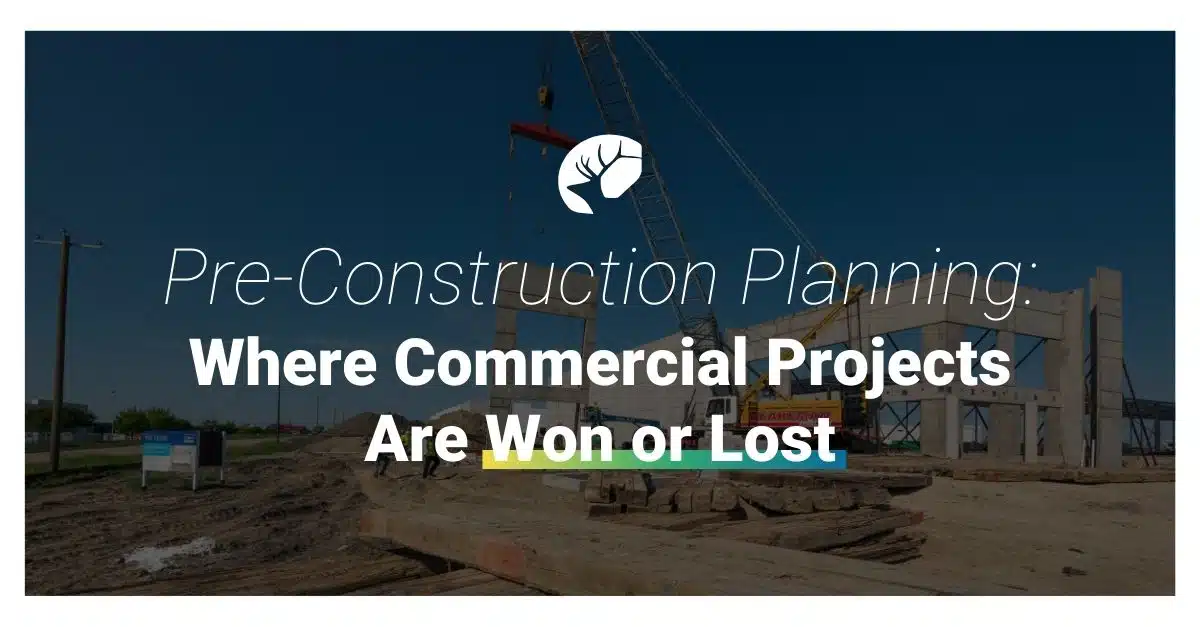
Most people associate construction success with what happens on site. In our experience at Gordon Highlander, the outcome is largely determined long before equipment arrives. Projects that run smoothly are the ones where scope, cost, risk, and expectations were aligned early.
Pre-construction is where that alignment happens. It is where we protect capital, clarify assumptions, and establish trust with owners and design partners from day one. Continue reading to know more about this.
How Pre-Construction Planning Reduces Risk and Protects Budget
The biggest advantages are built before ground is ever broken, and industry research reinforces this approach.
According to the Construction Industry Institute, strong front-end planning can lead to approximately 10 percent cost savings, 7 percent shorter schedules, and 5 percent fewer changes during execution.
During pre-construction, we work closely with owners and architects to identify issues early. Our own ground-up construction insights highlight how early evaluation of site conditions, utilities, grading, and permitting reduces downstream disruption.
Strong pre-construction planning helps eliminate:
• Unclear scope definition
Detailed scope alignment reduces revisions and protects the budget.
• Budget misalignment
Cost models built on real quantities and current market data create reliable financial expectations.
• Permitting delays
Early coordination with municipalities shortens approval timelines and prevents redesign.
• Procurement risk
Engaging trade partners early supports schedule reliability and pricing confidence.
4 Key Questions Owners Should Ask During Pre-Construction
Many owners focus on groundbreaking dates and final delivery milestones. The more important questions come earlier.
• What assumptions are built into this budget?
• What risks have been identified and who owns them?
• Are the design documents developed enough to support reliable pricing?
• How does the schedule account for approvals and procurement realities?
In our blog on planning commercial projects in a growing market, we emphasize the value of early contractor involvement to navigate zoning, labor availability, and design efficiency before those factors affect the field.
A Myth the Construction Industry Should Retire
There is pressure in this industry to move quickly into construction. The assumption is that breaking ground faster protects the schedule. In practice, starting without clarity often leads to budget corrections and timeline recovery efforts later.
Global research supports the value of disciplined pre-construction. McKinsey reports that in some sectors, improving pre-construction performance has resulted in net present value uplifts of 20 percent or more of total installed cost. Those gains are driven by early cost optimization and risk alignment.
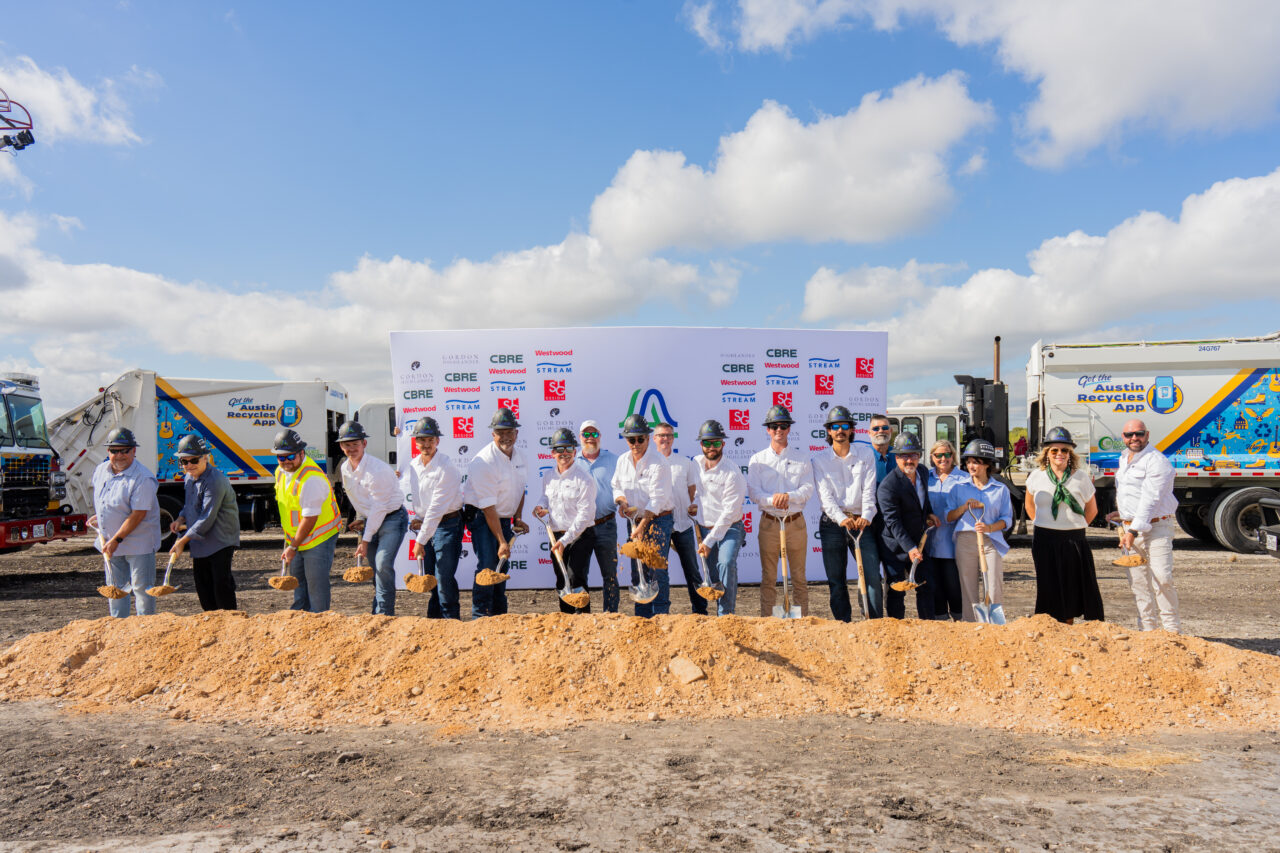
Start Your Construction With Clarity
At Gordon Highlander, we treat pre-construction as a partnership phase. This is where trust is built, and expectations are set. Our role is to surface the right questions early and provide clarity before commitments are locked in.
If you are planning a commercial or industrial project, start the conversation before breaking ground. Talk to us!